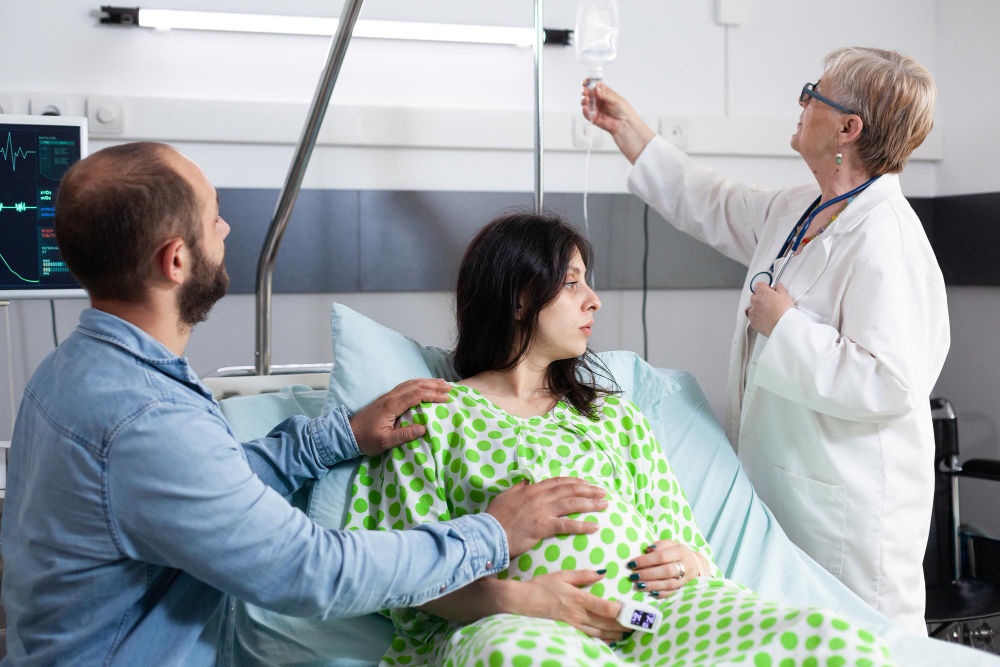
A cesarean section (C-section) is a surgical gynecological and obstetric procedure performed to deliver a baby through incisions in the mother's abdomen and uterus, preferred when vaginal delivery poses a risk to the mother or baby. The primary objective of any birth management framework is to ensure that both the mother and newborn complete the transition safely, healthily, and comfortably. Accordingly, a C-section can be carefully scheduled in advance as a planned (elective) procedure based on structural indications, or it can be deployed rapidly as a life-saving emergency intervention during a monitored trial of labor. At our clinic, all prenatal pathways and birth options are meticulously supervised by Op. Dr. Semra Capar, adhering to the highest international medical and patient-centric metrics.
Modern technological advancements ensure that cesarean deliveries are executed with exceptional safety and minimal physical distress today:
-
Anesthesia and Surgical Execution: C-sections are predominantly carried out under regional protocols, such as epidural or spinal anesthesia, which allow the mother to remain fully awake, pain-free, and alert to witness the exact moment of her child's birth. The obstetric team accesses the uterine cavity via precise, aesthetic horizontal incisions. The entire operation typically concludes within 30 to 45 minutes. Immediately following delivery, skin-to-skin contact and early breastfeeding initialization are actively established right inside the operating theater to foster immediate maternal-infant bonding.
-
Clinical Indications: Common driving indicators for a surgical delivery include fetal malpresentation (breech or transverse positions), placenta previa (the placenta completely covering the cervical os), macrosomia (a large baby), multiple gestations, prior major uterine surgeries (such as a deep myomectomy or previous C-sections), or acute intrapartum complications such as fetal distress where the baby's heart rate drops dangerously.
The gynecological and functional recovery period post C-section requires slightly more structural care compared to an uncompromised vaginal delivery, given that it constitutes a major abdominal intervention. Mild pain, localized tightness, and tissue tenderness near the suture line are entirely normal during the initial post-operative days, all of which are expertly controlled using proactive multi-modal pain management protocols. Patients are generally discharged from the hospital on the 1st or 2nd post-op day, depending on their physical mobilization markers. During the early postpartum weeks, maintaining meticulous perineal and wound hygiene, keeping the incision line dry, and strictly avoiding heavy physical lifting or strenuous exercises are mandatory to preserve structural suture adaptation. To guarantee that the uterine wall scars and pelvic floor networks fully consolidate before hosting another pregnancy, it is gynecologically recommended to wait an average of 18 to 24 months before planning a subsequent conception.
Frequently Asked Questions
-
What exactly is a cesarean section (C-section)? A C-section is an advanced obstetric and surgical intervention where a baby is delivered through dedicated surgical incisions made in the abdominal wall and uterus, deployed when vaginal entry presents definitive clinical hazards.
-
Which anesthesia modalities are utilized for a cesarean delivery? Modern obstetrics strongly prioritizes regional anesthesia options, such as epidural or spinal blocks. These methods eliminate localized pain entirely while allowing the mother to stay fully awake and interact with her newborn instantly.
-
Under what clinical circumstances is a C-section medically mandatory? Mandatory scenarios include breech or transverse fetal positions, cephalopelvic disproportion (a narrow pelvic inlet), placenta previa, active maternal genital herpes lesions, prior full-thickness uterine wall surgery, and acute fetal distress.
-
What are the core clinical assets of a cesarean birth? It provides an immediate, safe exit pathway during critical maternal or fetal emergencies. For planned elective cases, it allows precise date selection and completely eliminates the risk of birth canal-related infant trauma.
-
How long does the recovery phase last after a cesarean section? Hospital stays usually average 1 to 2 days. While independent physical mobilization settles within a few days, full cellular repair of the deep abdominal tissues and the complete healing of the incision take roughly 4 to 6 weeks.
-
Does undergoing a C-section negatively impact lactation or milk production? With regional anesthesia, a mother can initiate breastfeeding immediately. Establishing skin-to-skin contact within the first hour post-delivery naturally stimulates oxytocin release, ensuring rapid milk letdown without gynecological delays.
-
Does a cesarean section leave an unsightly prominent scar? Because advanced sub-cuticular and aesthetic suturing techniques are deployed at our clinic, the thin horizontal incision line placed below the bikini boundary gradually fades to a soft flesh tone over time, leaving minimal visual traces.
-
Is it possible to achieve a vaginal birth after a previous cesarean section? Yes, this pathway is medically classified as VBAC (Vaginal Birth After Cesarean). It requires a minimum interval of 2 years from the prior surgery, an adequate lower uterine segment thickness, and strict monitoring under optimal clinical safety markers.
-
What is the recommended waiting period before conceiving again after a C-section? To allow the smooth muscle architecture of the uterine wall to heal completely at a cellular level and prevent secondary risks of uterine rupture in subsequent gestations, a gynecological window of 18–24 months is highly advised.
-
What postpartum care guidelines should be followed at home during the puerperium? The incision line must be kept strictly clean and dry to shield against ascending bacteria, avoiding vaginal douching, swimming pools, and seas. Incorporating light walking helps dispel gas, and attending scheduled check-ups is vital.
To supervise your prenatal care path, comprehensively analyze your ideal birthing options, and plan a highly secure delivery experience under the expert clinical guidance of Op. Dr. Semra Capar, please reach out to our clinic to book your appointment today.