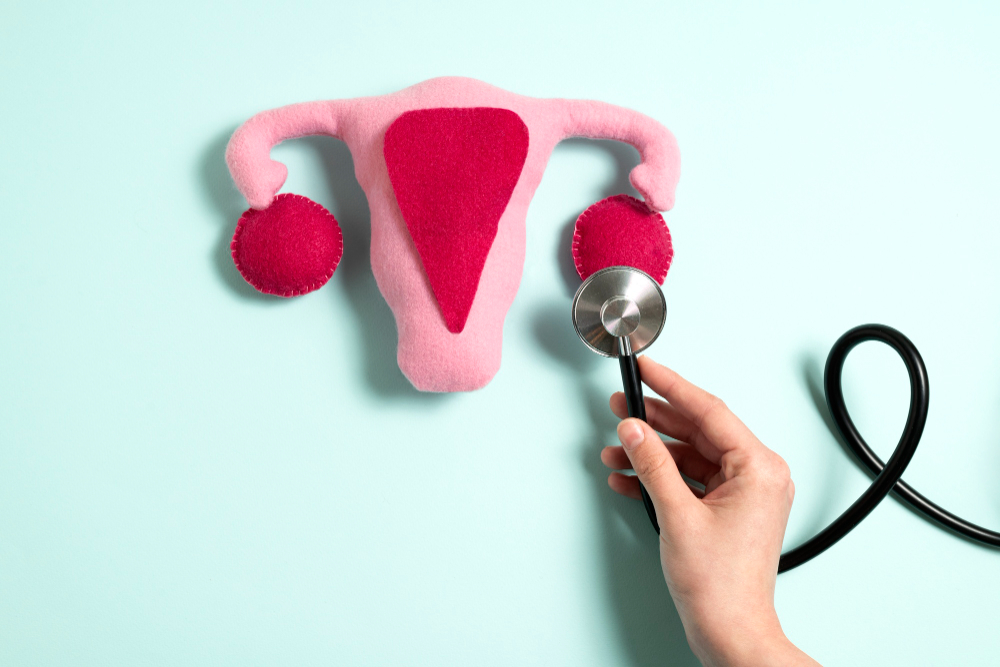
A colposcopy is a specialized gynecological diagnostic method that allows detailed examination of tissue abnormalities and cellular changes occurring in the cervix, vagina, and vulva (outer genital area). This procedure is generally performed to clarify clinical concerns, check high-risk HPV types, or evaluate abnormal Pap smear test results detected in routine screenings. The specialized, illuminated magnifying device called a colposcope used in the examination room identifies precancerous lesions that are too small to be seen with the naked eye, serving as a powerful shield for early diagnosis against cervical cancer.
During the application, the specialist physician utilizes the colposcope device to meticulously examine the cervical and vaginal structures under high magnification. This optical tool helps visually differentiate abnormal cellular changes from healthy tissues. Guided by this device, when a suspicious or abnormal area is detected, tiny tissue samples—known as a colposcopic biopsy—are collected and sent for laboratory investigation to establish a definitive diagnosis. Contrary to common fears, a colposcopy is not a painful procedure; patients generally feel only a mild pressure or a momentary cramp within the comfort of a standard examination.
In our clinic, colposcopy procedures performed by Op. Dr. Semra Capar are carried out to the highest medical standards, prioritizing patient comfort, safety, and confidentiality above all else. Enabling the detection of cervical cancer and other gynecological problems at the very beginning of their course, this diagnostic method allows us to offer the most accurate and least invasive treatment options. Based on the laboratory and pathology findings, we prepare a personalized tracking and intervention plan for each patient, empowering women to maintain a healthy life.
Frequently Asked Questions
-
What is a colposcopy and why is it performed? A colposcopy is a detailed medical evaluation of the cervix, vagina, and vulva surfaces using a magnifying optical device called a colposcope. It is performed to confirm abnormal Pap smear results and detect potential hidden lesions on the cervix early.
-
What happens during a colposcopy examination? The patient lies on the table in the standard gynecological examination position. After making the cervix visible with a speculum, the doctor positions the colposcope device outside the vagina and begins the examination. If an abnormal area is found, a tiny biopsy is performed.
-
Is a colposcopy a painful procedure? A colposcopy is generally not a painful procedure. Only a mild pressure or slight discomfort may be felt during the visual inspection. If a biopsy sample is taken from a suspicious area, a mild, menstrual-like cramp can be felt at that moment.
-
How long does it take to get colposcopy biopsy results? The pathological examination results of the biopsy samples collected during a colposcopy are usually finalized within a few days to two weeks. These definitive results help determine the precise degree of cellular changes.
-
What should I pay attention to after a colposcopy? If only a visual examination was performed, there are no restrictions. If a biopsy was taken, mild spotting or light bleeding may occur. For a few days after the procedure, it is recommended to avoid tampons, swimming pools, seas, vaginal douching, and sexual intercourse.
-
When is the best time to schedule a colposcopy appointment? To allow a clear visualization of the cells on the cervix surface, the procedure must not be performed during a menstrual period. It is ideal to schedule the appointment for days when there is no active bleeding, preferably right after the period ends.
To receive more information about the colposcopy services provided by Op. Dr. Semra Capar in our clinic, evaluate your screening tests, and take the first step toward safeguarding your cervical health, please contact us today to schedule your appointment.