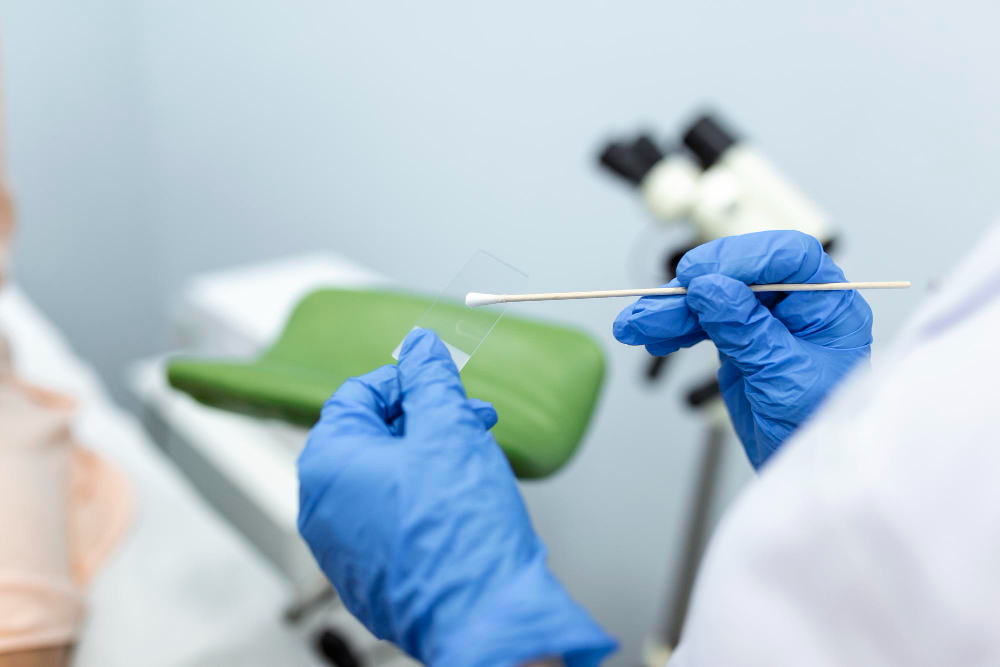
Polyps, particularly endometrial polyps, are benign tissue growths rich in smooth muscle and glandular structures that develop within the inner lining of the uterus (endometrium) or the cervix. Frequently encountered in clinical gynecological practice, uterine polyps can cause irregular periods, heavy or intermenstrual bleeding, postmenopausal spotting, pelvic pain, and infertility by preventing the embryo from attaching to the uterine wall. Since these conditions directly decrease a woman's quality of life, early diagnosis and effective intervention through regular gynecological check-ups are of vital importance to prevent more complex complications in the future.
In our clinic, modern, reliable, and up-to-date gynecological diagnostic and imaging methods are meticulously utilized for the detection of uterine and cervical polyps:
-
Diagnosis and Clinical Evaluation: To determine the exact location, number, and millimetric size of polyps, high-resolution ultrasonography (USG) or saline infusion sonography (SIS) is deployed in the initial stage. For a definitive diagnosis and direct visualization, gynecological hysteroscopy—where the inside of the uterus is monitored via a camera attached to an optical system—is performed. This comprehensive assessment allows for the creation of an ideal treatment roadmap tailored to the patient’s clinical symptoms and fertility desires.
-
Hysteroscopic Surgery (Polypectomy): Hysteroscopic polypectomy, the gold standard in polyp treatment, allows direct visualization and complete removal of polyps from their roots by entering through the cervix without any external surgical incisions. This minimally invasive procedure is performed under sedation or general anesthesia for total patient comfort. Since this procedure causes no harm to the surrounding healthy uterine walls, patients are gynecologically discharged on the same day and can quickly return to their social lives.
-
Post-Treatment Monitoring: Following the eradication of the polyps, regular gynecological check-ups are scheduled to ensure full tissue recovery, safeguard reproductive health, and monitor any rare risks of recurrence.
Frequently Asked Questions
-
Can uterine polyps transform into cancer over time? The vast majority of uterine polyps are entirely benign. However, polyps that develop during the postmenopausal period, trigger irregular bleeding, or exhibit rapid growth carry a minimal gynecological risk of malignant transformation or underlying endometrial hyperplasia.
-
What causes the development of uterine polyps in women? The primary driver behind polyp formation is hormonal imbalance; specifically, a high level of estrogen coupled with insufficient progesterone gynecologically stimulates the endometrium excessively, triggering polyp growth. Genetic predisposition and chronic uterine inflammation are secondary risk factors.
-
Is a hysteroscopic polyp removal surgery painful? No, since a hysteroscopic surgery is performed in an operating room under anesthesia, our patients feel absolutely no pain or discomfort during the procedure. Mild menstrual-like cramps and spotting for the first few days post-op are normal and easily managed with standard medications.
-
How long should I rest after a polyp removal surgery? Because it is a minimally invasive approach requiring no surgical incisions, the recovery phase is remarkably rapid. Patients can stand up within a few hours post-surgery and return to light daily routines and desk jobs the next day without any gynecological restrictions.
-
Can I get pregnant after a uterine polyp is removed? Yes, endometrial polyps can cause infertility by obstructing sperm transit or disrupting embryo implantation. Comfortably removing the polyp via hysteroscopy corrects the intrauterine anatomy, significantly increasing the chances of a healthy pregnancy from a gynecological standpoint.
-
Is there a risk of polyps recurring after surgery? Yes, as long as underlying hormonal imbalances or genetic predispositions persist, there is a gynecological risk of uterine polyps recurring (recurrence). Due to this risk, routine annual gynecological check-ups should not be neglected post-surgery.
-
Is a pathological biopsy mandatory during polyp treatment? Yes, every piece of polyp tissue removed surgically is sent to the pathology laboratory for a biopsy evaluation to confirm its cellular structure and gynecologically verify that it is entirely benign. The definitive diagnosis is established by the pathology report.
-
Can uterine polyps be completely eliminated with medications or hormonal therapies? In certain scenarios, hormone-based medications can manage bleeding symptoms or partially shrink the size of polyps. However, the permanent, definitive, and gynecologically safest treatment for polyps is their complete surgical removal via hysteroscopy.
For uterine polyp treatment, advanced hysteroscopy applications, and all your routine gynecological screenings, you can contact our Op. Dr. Semra Capar clinic and safely schedule your examination appointment.